
Animation and Gaming Program (MAT)
The Animation and Gaming program helps students develop both creative and technical skills through hands-on experience with industry-standard software and production workflows. Students build a strong foundation in 2D and 3D animation, game development, and interactive media for entertainment, educational games, and simulations.
Through our courses, students explore visual storytelling, design, and digital media while gaining practical skills in content creation, production, and distribution. The program combines artistic development with technical training, giving students the tools to bring their ideas to life.
Whether students plan to enter the workforce or continue their education, the program prepares them for entry-level careers in animation and game development, as well as transfer opportunities to four-year institutions in media, animation, game design, and related fields.

Animation and Gaming program
🎨 2D Animation
📱 Interaction Design
🎬 3D Animation
🎮 Game Design with the Unreal Engine
3D Production
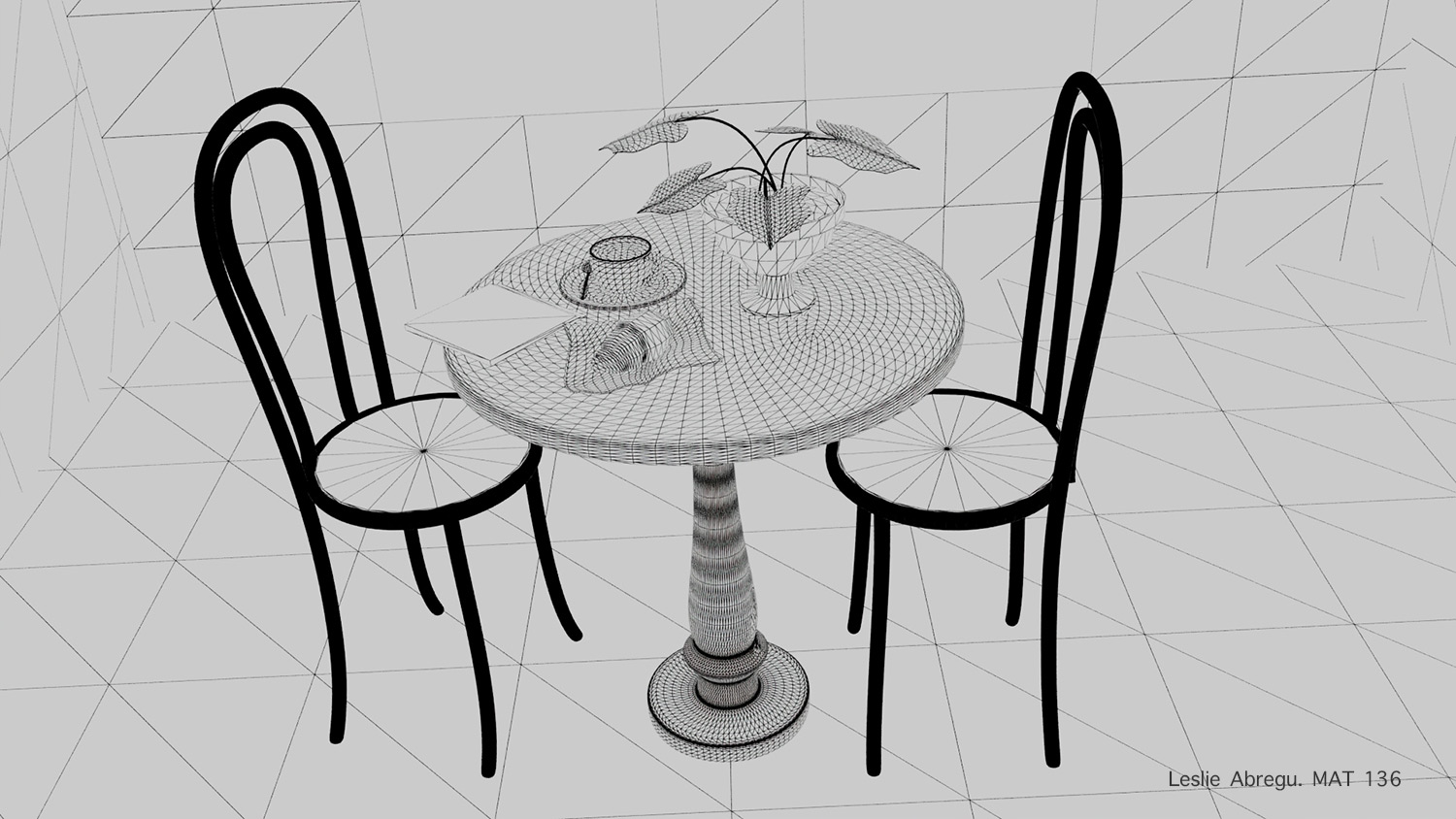
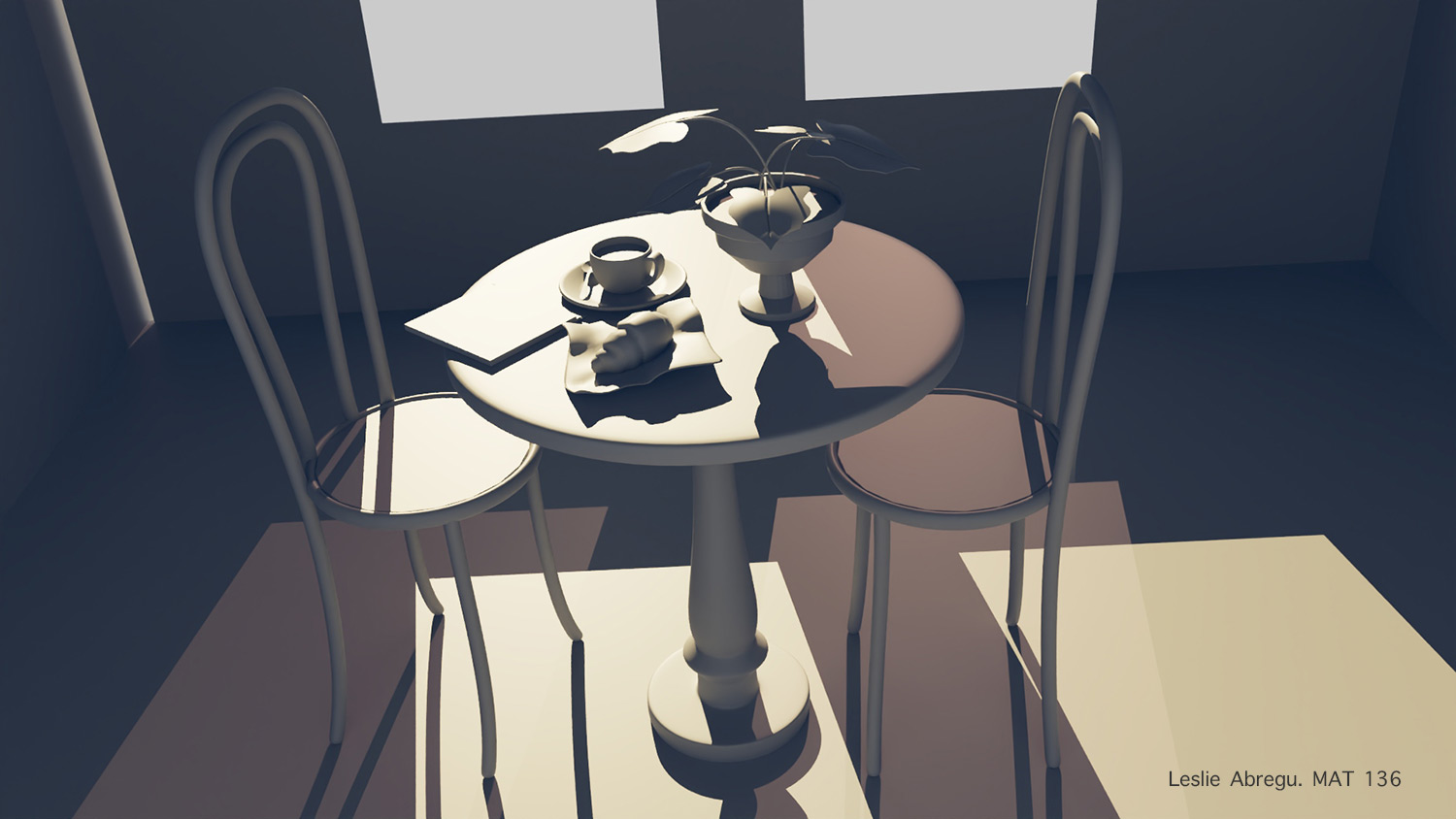
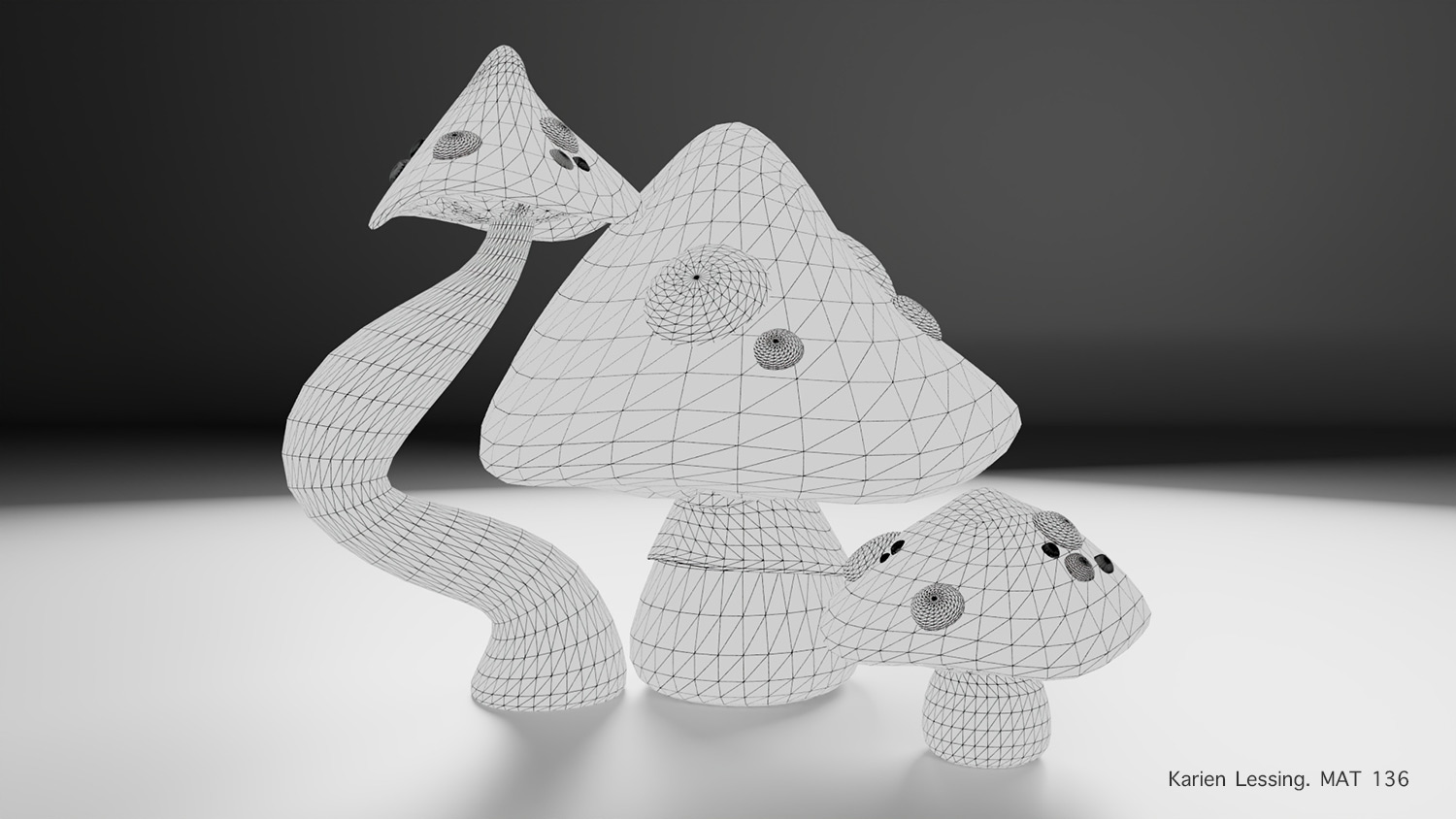
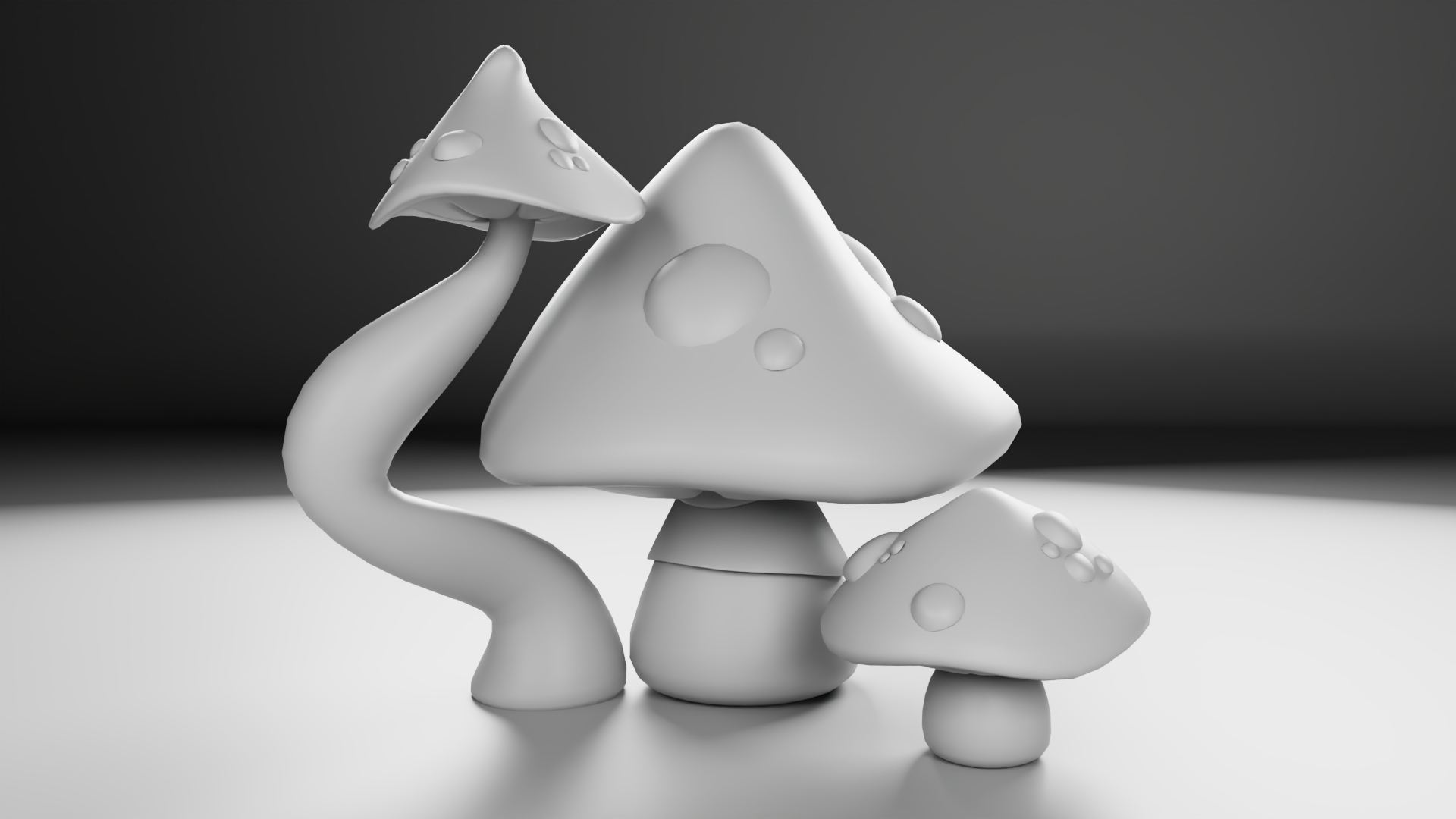
The 3D animation industry includes many specialized roles that work together in teams to create films, games, visual effects, simulations, and interactive media. It is used in many industries, like Film, Gaming, all types of online content, Education and Science.
Careers with Strong Demand in the area of 3D production
For students entering the industry today, these roles tend to have strong demand across animation, gaming, and immersive media:
- 3D generalist
- 3D Modeler (asset designer, prop designer)
- Technical Artist (in between art and engineering department)
- 3D Character designer (character design and rigging)
- 3D Animator
- Environment Artist (materials/surfaces, lighting, scenic design, world building in a game engine)
- VFX Artist (simulations, dynamics, particle systems, and compositing)
- Game Artist (creates and prepares game-assets)
- Game prototyper (Constructs the mechanics of the game using a game engine, you can evolve into a Level designer)
- Real-Time 3D Artist (using tools such as Unreal Engine and Unity)
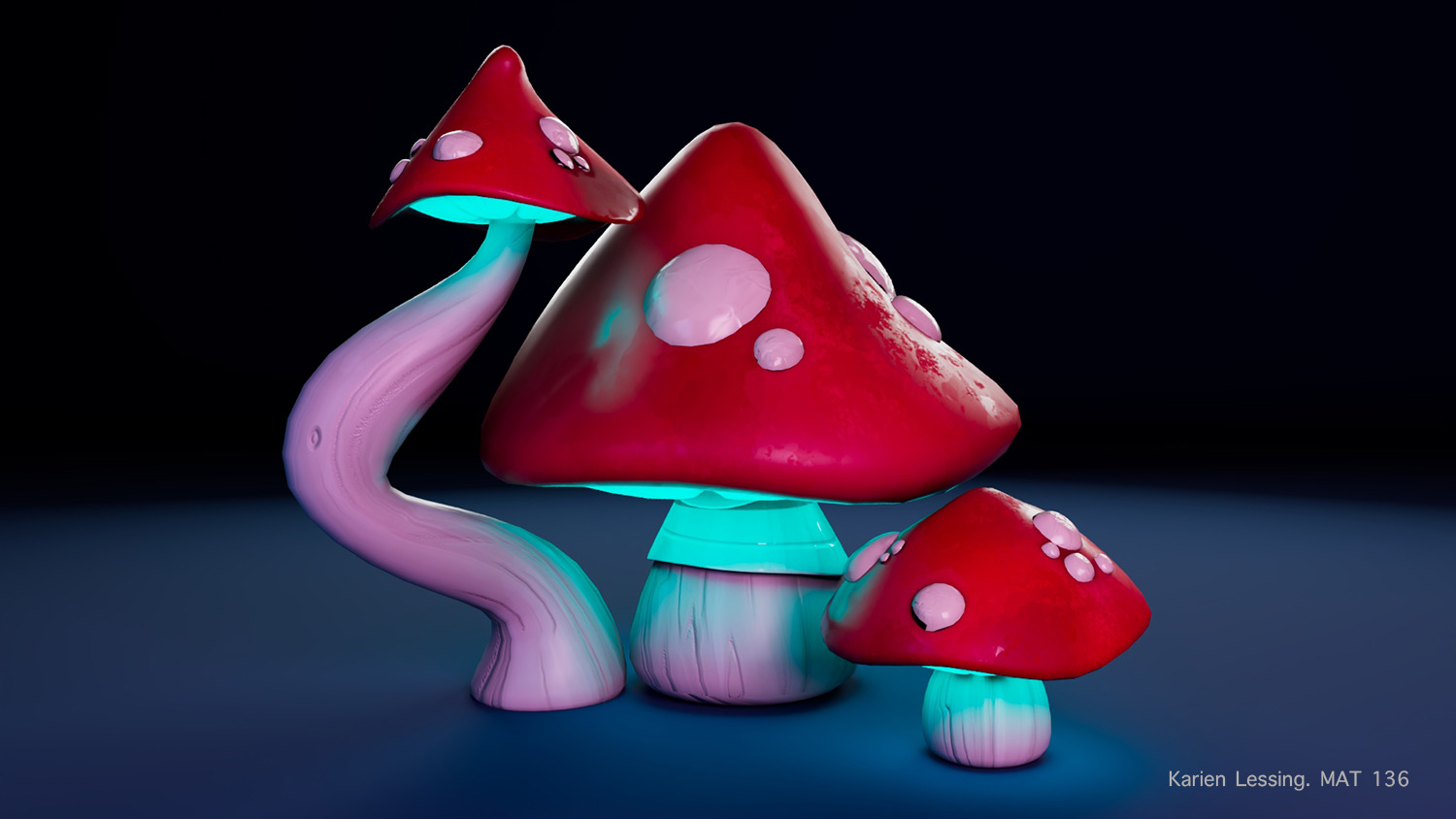
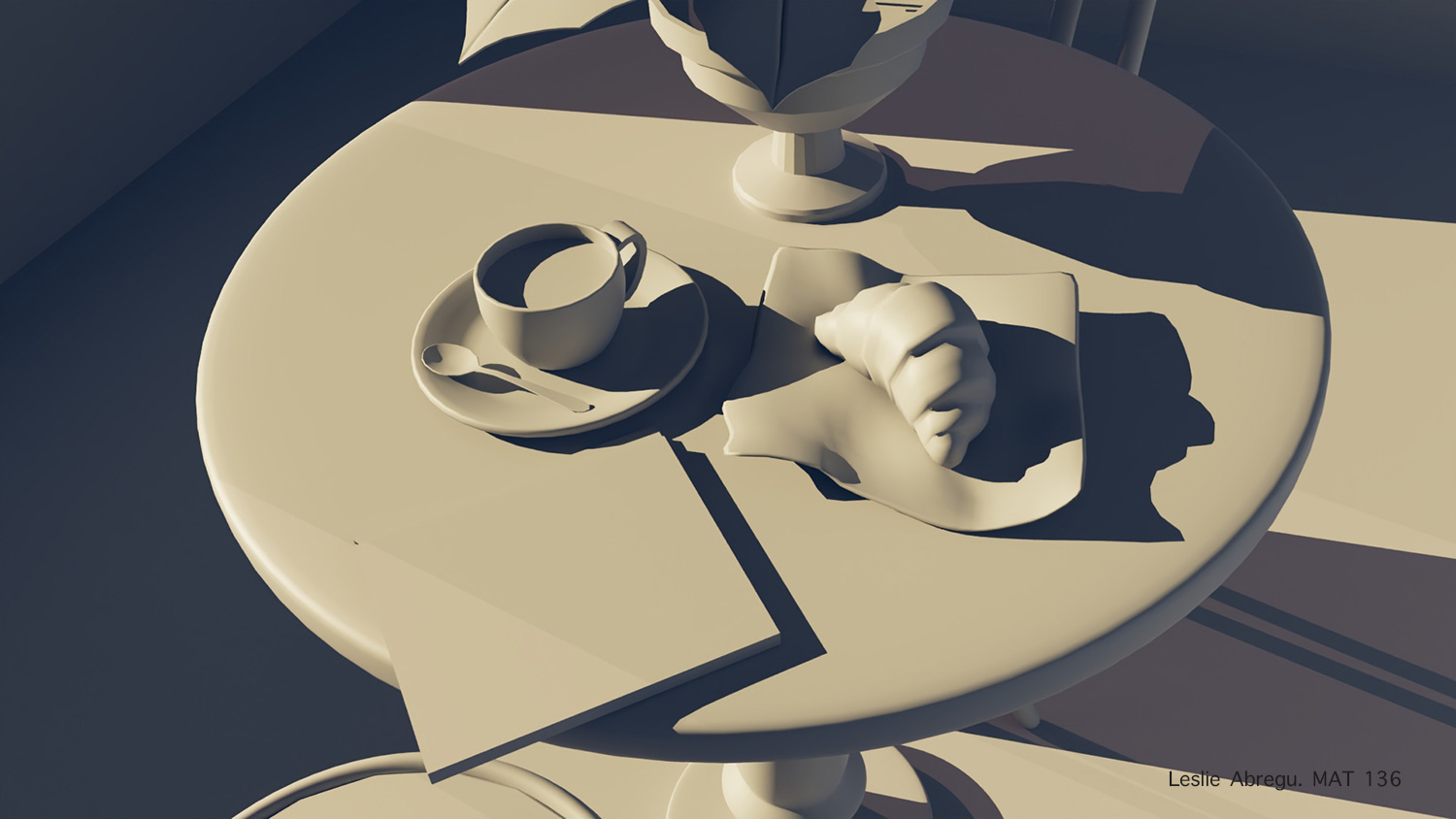
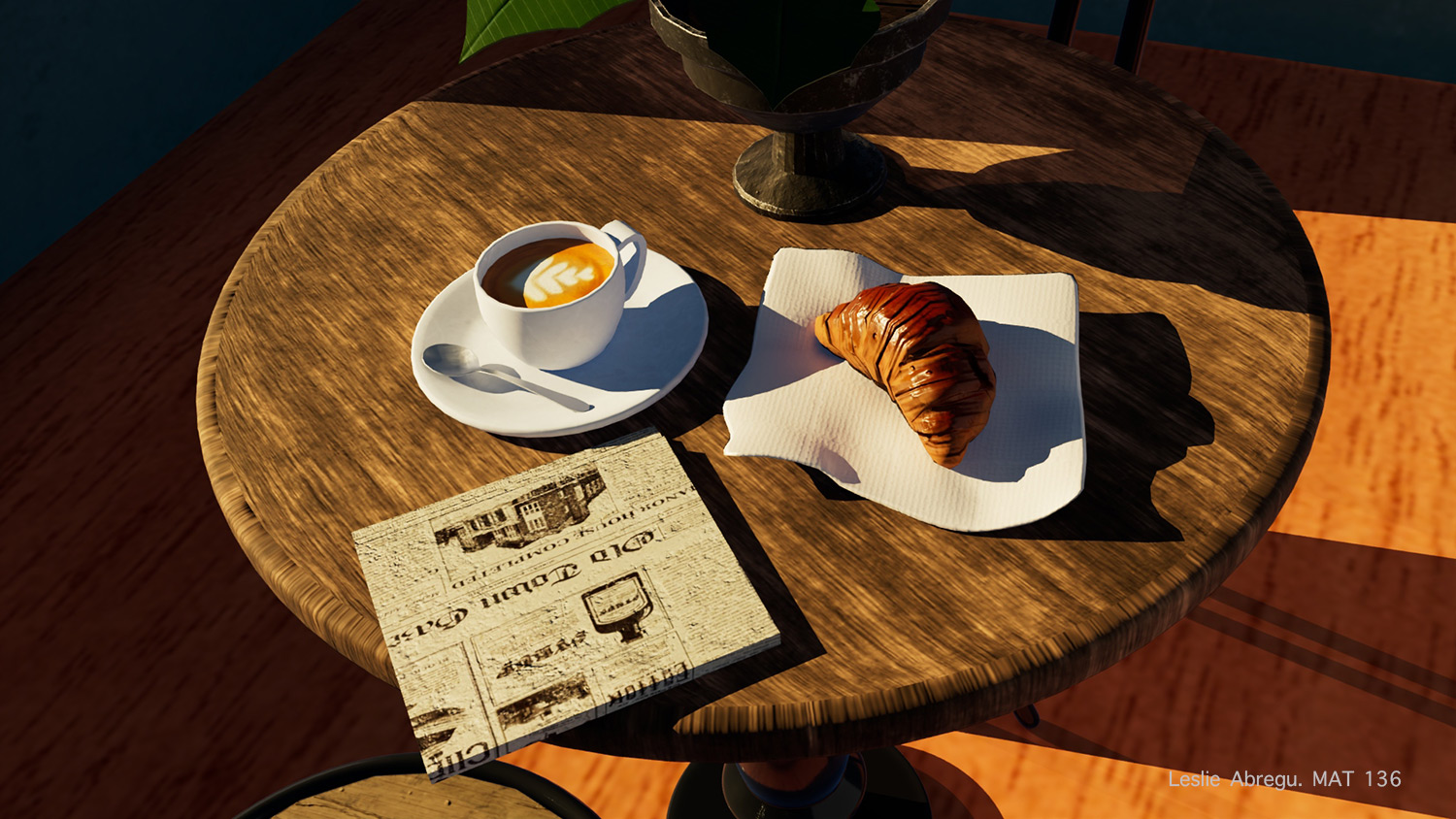
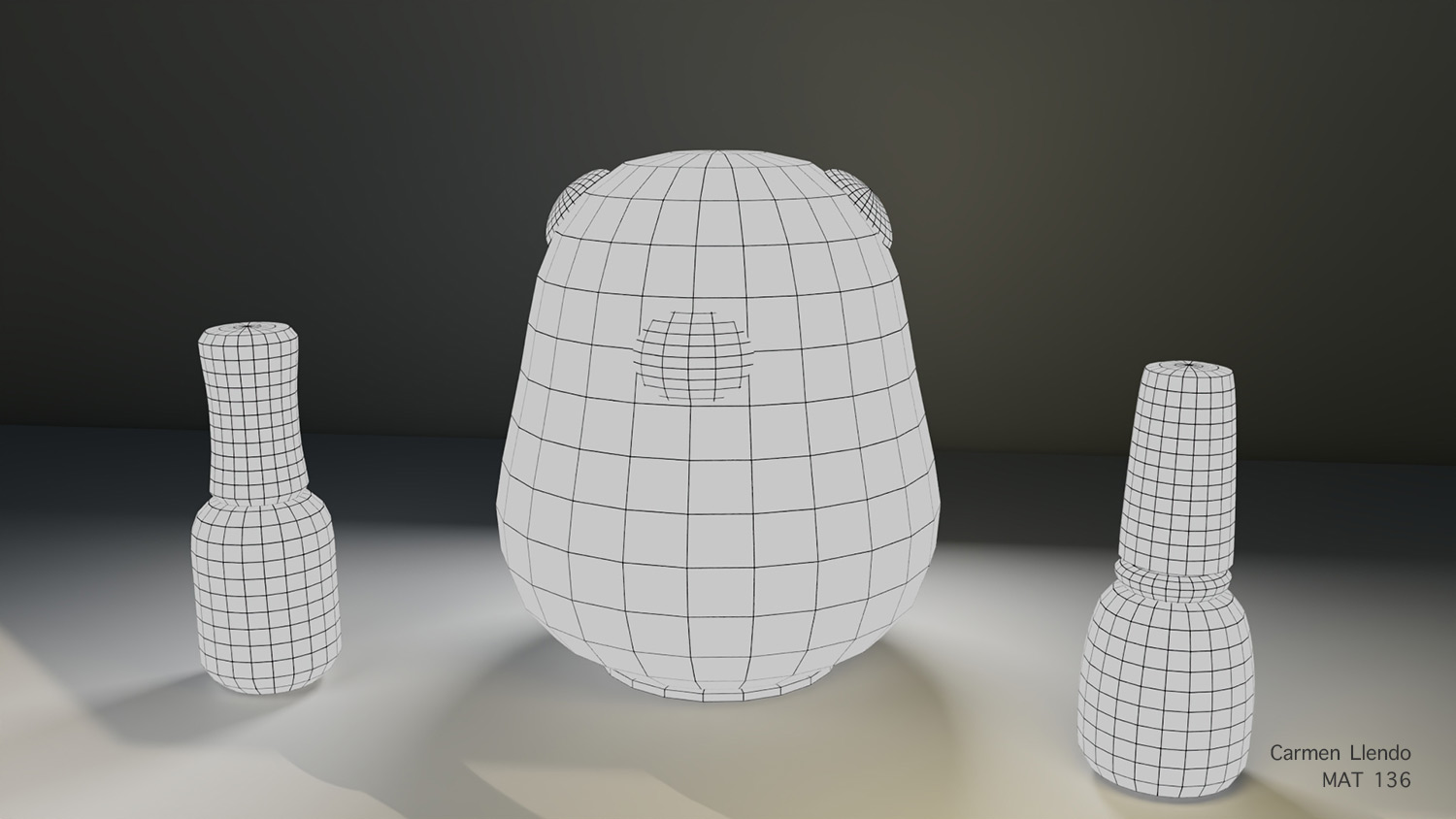
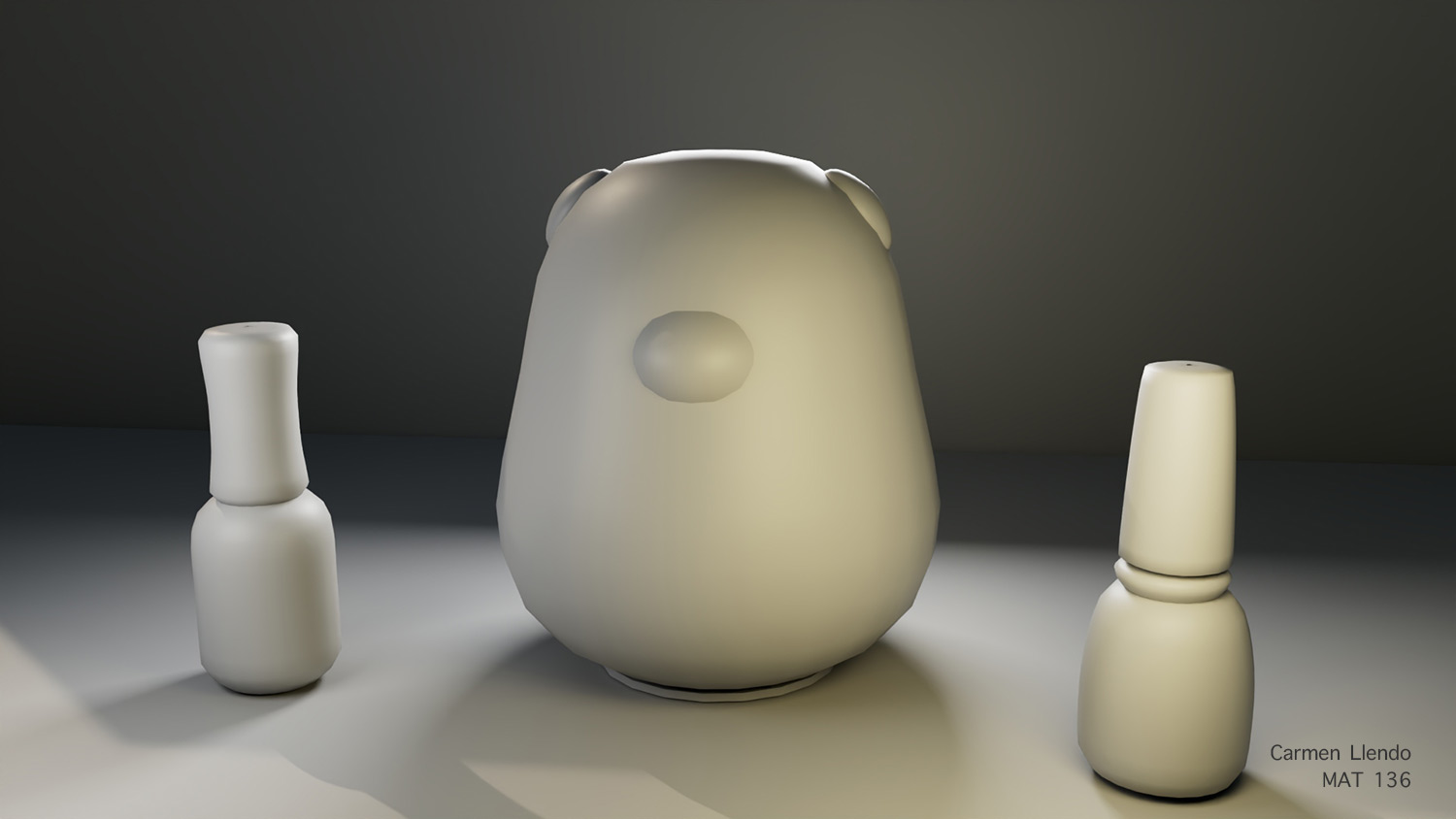
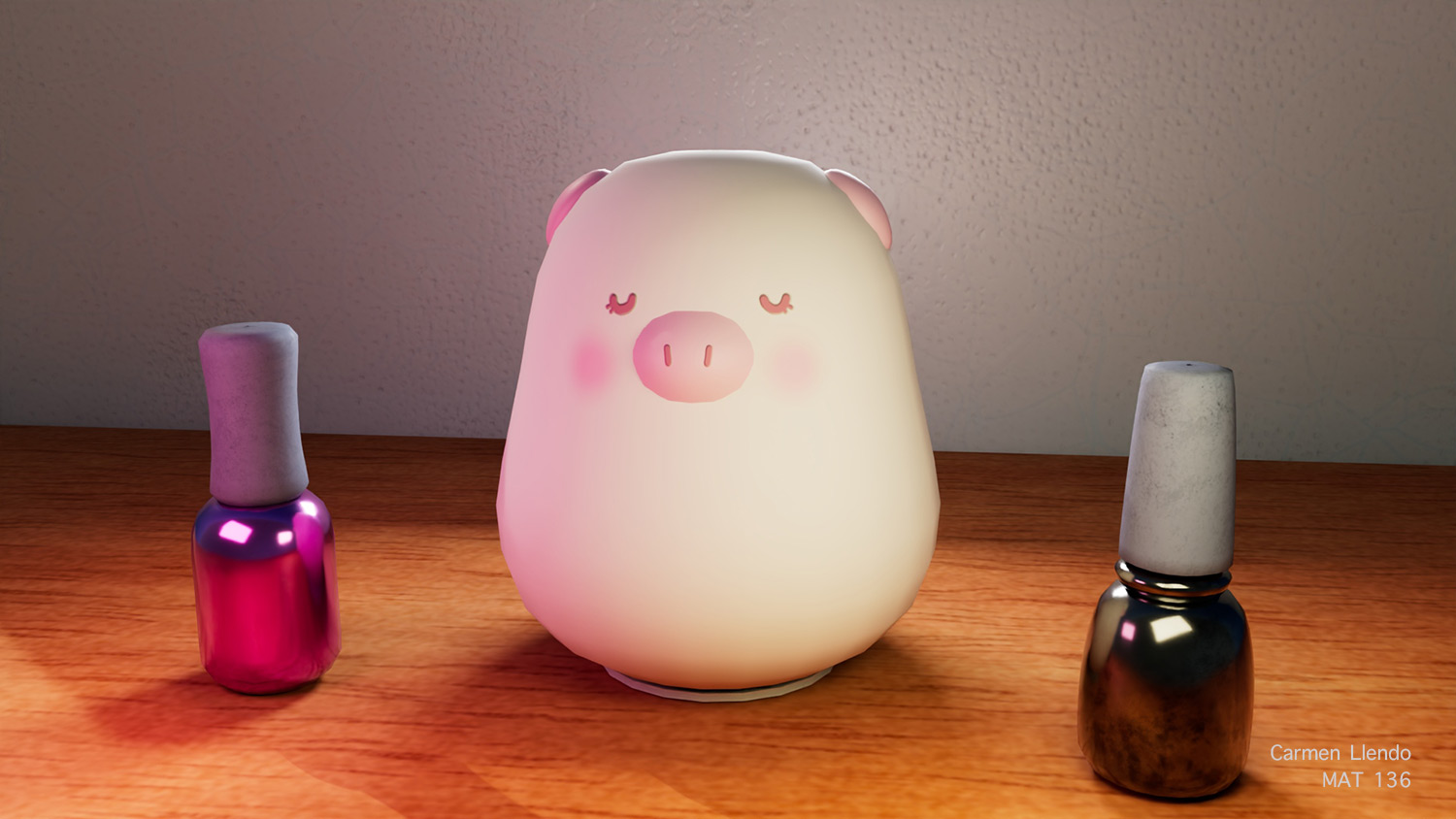
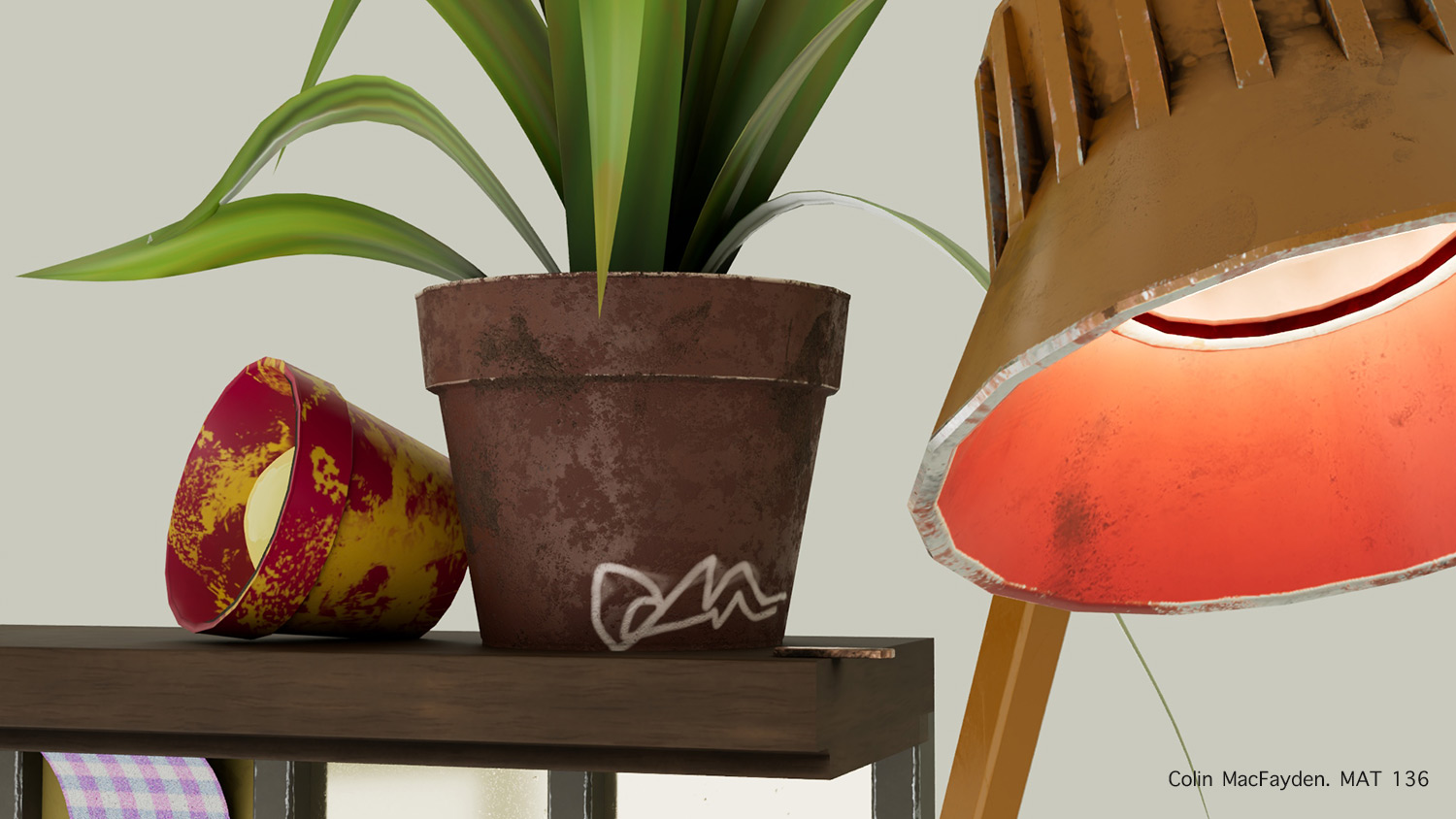
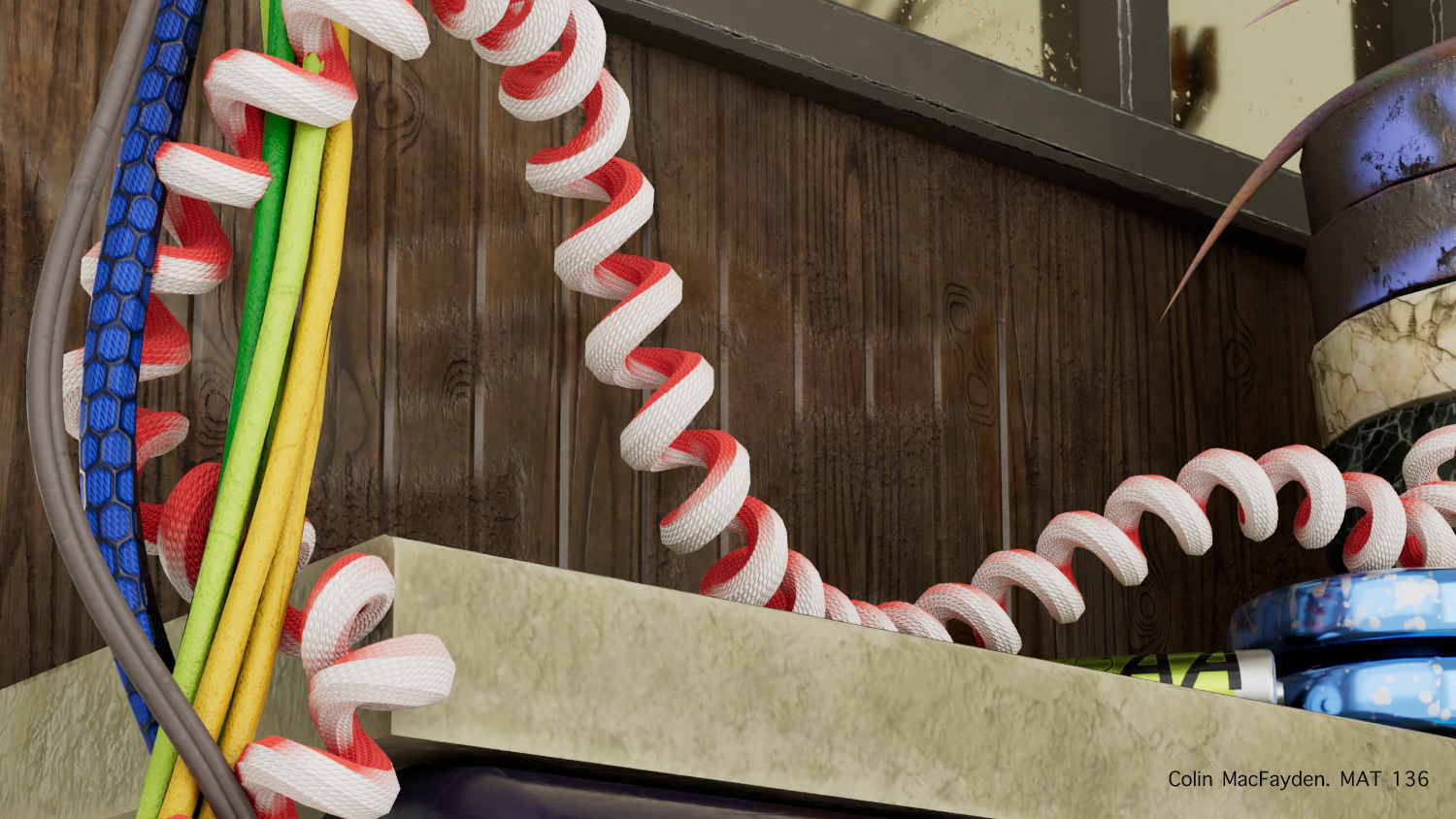
Entry-Level 3D Positions for Students
Students graduating from multimedia or animation programs often start as:
- Junior 3D Animator
- Junior Modeler
- Texture Artist
- Environment Artist
- Motion Graphics Designer
- Production Assistant
- Visualization Artist
- Junior Technical Artist
- Compositing/rendering assistant
- Virtual Production Assistant
These positions can lead to careers in feature animation, video games, advertising, architectural visualization, medical animation, virtual reality, and visual effects.
Main jobs in 3D: descriptions and competences
|
Job Title |
What those professionals work on |
Key Skills |
|---|---|---|
|
3D Modeler |
Creates characters, props, vehicles, and environments in 3D software. |
Modeling techniques and optimization. Anatomy, 3D sculpting, topology. |
|
Texture Artist |
Adds colors, materials, and surface details to 3D models. |
UV mapping, digital painting, material creation |
|
Rigging Artist |
Builds the digital skeletons and controls that allow characters to move. |
Character setup, understanding of the motion of the character, scripting, problem-solving. |
|
3D Animator |
Creates character performances and object motion (works with motion curves). |
Acting, timing, movement coherence, storytelling. |
|
Lighting Artist |
Sets up digital lighting to create mood and realism. |
Color theory, cinematography, vision of the scene, rendering. |
|
Rendering Artist |
Optimizes and manages the process of generating final images and animations. |
Rendering software, optimization, troubleshooting. Works with technical team. |
|
Visual Effects (VFX) Artist |
Creates simulations such as fire, smoke, explosions, water, and destruction. |
Particle systems, dynamics, physics, timing and duration of events. |
|
Environment Artist |
Designs and builds landscapes, cities, and virtual worlds. Sets up a mood and atmosphere to each scene. |
Modeling, materials, composition, terrain and atmospheric properties. |
|
Character Artist |
Specializes in creating digital characters for films and games. |
Anatomy, 3D sculpting, character design, joints, range of motion. |
|
Technical Artist |
Bridges the gap between artists and programmers by creating tools and workflows. |
Art, programming, scripting to solve problems and accelerate work flow. |
|
Motion Capture Technician |
Records and processes real-world movements for use in animation. |
Motion capture systems, data cleanup, apply motion to character. |
|
Compositor |
Combines rendered layers and visual effects into final shots. |
Image sequences, compositing software, color correction, creation of the final scene. |
|
Storyboard Artist |
Creates visual plans for scenes before production begins. |
Drawing, posing, expressing an action, cinematography, storytelling, |
|
Art Director |
Oversees the visual style and artistic direction of a project. Oversees and communicates with their team. |
Leadership, communication, creating and keeping a vision, understanding of the product. Collaboration. |
|
Animation Director |
Leads the animation team and guides character performances. |
Animation expertise, leadership. Collaboration. |
2D Production
Many careers still rely heavily on 2D animation skills, even as 3D animation has become more common. Strong drawing, storytelling, motion, and design abilities are highly valued across entertainment, advertising, education, and digital media.
Most In-Demand 2D Animation-Related Careers Today
- Motion Graphics Designer (timing, motion, typography, visual communication, and effects)
- Storyboard Artist
- 2D Animator
- UI Motion Designer (interface design, interaction design, motion graphics skills)
- Concept Artist
- Character Designer
- Visual Development Artist
- Instructional Designer
- 2D Game Artist
- Illustrator
- Explainer Video Animator
Industries That Hire 2D Animation Talent
- Feature animation
- Television animation
- Advertising and marketing
- Video game development
- Educational technology
- Social media content creation
- Web and app design
- Publishing and comics
- Corporate training
- Scientific and medical visualization
Remember that strong 2D drawing and animation skills can lead to careers beyond traditional jobs, including UX/UI, marketing, game development, and digital media production.
2D Animation and Digital Art career table
|
Job Title |
What they do at work |
Key Skills |
|
2D Animator |
Creates animated characters, objects, and scenes for film, television, games, and digital media. |
Drawing, timing, acting, movement |
|
Motion Graphics Designer |
Produces animated graphics, titles, and promotional content. |
Animation, typography, compositing, visual storytelling |
|
Storyboard Artist |
Plans scenes and visual sequences before production. |
Storytelling, composition, cinematography, sketching |
|
Character Designer |
Develops the visual appearance and personality of characters. |
Character design, anatomy, drawing, visual development |
|
Background Artist |
Creates environments and settings for animated productions. |
Perspective, painting, composition, color |
|
Concept Artist |
Visualizes ideas, characters, props, and environments during pre-production. |
Ideation, drawing, digital painting, visual development |
|
Visual Development Artist |
Establishes the overall visual style of a project. |
Color theory, design, illustration, |
|
Illustrator |
Creates artwork for publishing, advertising, education, and media. |
Drawing, composition, digital painting, communication |
|
Comic Artist |
Produces sequential art and graphic narratives. |
Storytelling, illustration, character design |
|
Game Artist (2D) |
Creates sprites, environments, UI elements, and game assets. |
Illustration, asset creation, animation, game art |
|
UI Designer |
Designs visual interfaces for apps, games, and websites. |
Interface design, typography, layout, visual hierarchy |
|
UX Designer |
Improves user experiences through research and interaction design. |
User research, prototyping, usability, interaction design |
|
UI Motion Designer |
Creates animated transitions and interactive interface elements. |
Motion design, UX principles, animation, prototyping |
Our Program
Our courses give students a core background in visual arts and screen design, while providing technical skills in media development, production and distribution.
The program prepares students for employment in entry-level positions at Game development
and animation companies or for transfer to media programs at 4-year institutions.
There are 30 mandatory units (3 semesters) and a number of recommended courses to
concentrate on skills in Graphic Art, Modeling and 3D Animation, 2D Animation or Interactive
design.
Students may seek a Certificate or an Associate in Arts Degree in this discipline.
Program Student Learning Outcomes
Link to requirements for the degree:
Degrees and Degree Requirements
Student Learning Outcomes
- Students will be able to create complex models, apply complex colors and textures to them according to a storyboard.
- Students will be able to create a digital lighting system and render Photorealistic images in 2D.
- Students will be able to create the necessary visual effects (environments and natural forces) specified for the story.
- Students will be able to set up a skeleton for a 3-D model and animate a character according to a storyboard.
- Students will be able to animate a character according to the dialog in the story.